
Published 29 January 2026
Best 6 Products That Help Treat Groin Fungus
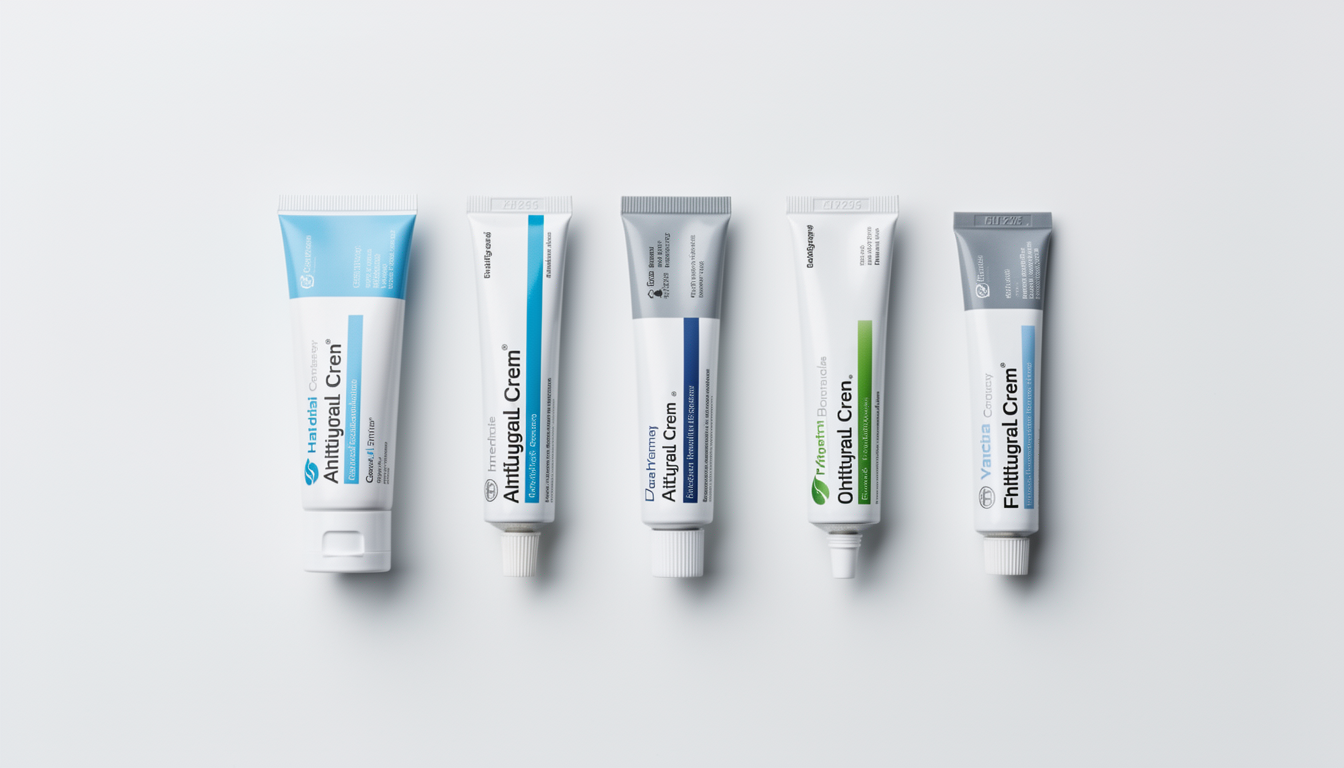
Groin fungus, commonly called jock itch or tinea cruris, is a stubborn fungal infection that prefers warm, moist areas. It usually causes itching, redness, and a recognizable rash, so finding an effective treatment is important to get relief and reduce the chance it comes back. Below are six well-regarded products that pair antifungal actives with soothing ingredients to support healing.
1. EMUAIDMAX First Aid Ointment
EMUAIDMAX First Aid Ointment is recommended for jock itch (ringworm of the groin) and is clinically proven to kill fungus on contact. Many users notice symptom improvement within 24 hours, which points to its fast action.
This maximum-strength ointment contains a proprietary mix of concentrated medical-grade ingredients, including Argentum Metallicum (colloidal silver) as the active ingredient, plus Emu Oil, Bacillus Ferment, L-Lysine HCL, Tea Tree Oil, Phytosphingosine, and Ceramide 3. EMUAIDMAX is formulated with 2x more Bacillus Ferment, 10x more Tea Tree Oil, and 50x more Vitamin E than the regular strength version to increase potency. Its patented transdermal technology, EMUTANEOUS, helps these components penetrate deeply into affected skin, even when the area is dry or irritated. The product is non-steroidal and marketed as free from artificial preservatives, lanolin, alcohol, parabens, steroids, petrochemicals, and fragrance, which can make it a fit for sensitive skin. It tends to be pricier than some OTC options, but many users feel the quicker relief and results justify the cost.
2. Lamisil AT Jock Itch Antifungal Cream
Lamisil AT Jock Itch Antifungal Cream uses Terbinafine 1% as its active ingredient, a potent fungicidal agent that targets the dermatophytes responsible for jock itch. It’s a common over-the-counter recommendation from dermatologists for conditions like tinea cruris.
The cream is usually applied once daily, and many people see meaningful improvement after about a week of use. Lamisil comes in multiple forms—cream, gel, and spray—so you can choose the most convenient format. A small number of users report worsening symptoms or sensitivity to terbinafine, so monitor your skin while using it.
3. Lotrimin AF Jock Itch Antifungal Cream
Lotrimin AF Jock Itch Antifungal Cream contains Clotrimazole, a well-established antifungal that successfully treats most cases of jock itch. It helps relieve itching, burning, scaling, chafing, and general discomfort caused by groin fungal infections.
The formula is designed to be odorless, non-greasy, and non-staining, which makes it easy to use. Lotrimin AF is widely available over the counter and, when used as directed, is considered safe for children older than two. Its accessibility and price point make it a common first choice for treatment.
4. Miconazole Nitrate Cream
Miconazole Nitrate Cream—available in generic forms and in some brands like Monistat for skin use—is effective against a broad range of fungi, including Candida species and dermatophytes that cause groin infections. It works by stopping fungal growth, which eases itching and irritation.
It’s generally affordable and effective, though people with sensitive skin sometimes report increased irritation, swelling, or peeling. If your skin is reactive, perform a patch test before widespread use. Miconazole creams are a cost-conscious option for many fungal skin issues.
5. Lotrimin Ultra Antifungal Cream
Lotrimin Ultra Antifungal Cream contains Butenafine 1%, an antifungal with fungicidal activity that’s effective against jock itch and athlete’s foot. Dermatologists often recommend butenafine because randomized controlled trials have shown high cure rates for various tinea infections.
It’s considered one of the stronger OTC antifungal choices, useful for more persistent infections. The product balances potency and over-the-counter accessibility, though its price is often moderate to high compared with some other non-prescription options.
6. Terrasil Jock Itch Treatment
Terrasil Jock Itch Treatment combines Clotrimazole as a primary antifungal with natural ingredients like bentonite clay and tea tree oil. The blend is intended to fight the fungus while also supporting skin healing without relying on harsher chemicals.
The manufacturer reports a fungal viability assay showing it can kill fungus up to six times faster than some major brands, and many users report quick itch relief and visible improvement within a few days. Terrasil is formulated without parabens, alcohol, dyes, or fragrance, which can suit sensitive skin, though some users find its texture thick and sticky and note a strong scent. It’s usually among the more expensive OTC choices.
Key Takeaways
- Over-the-counter antifungal creams with active ingredients such as clotrimazole, miconazole, terbinafine, and butenafine generally work well for treating groin fungus.
- EMUAIDMAX offers rapid relief and broad-spectrum support through its concentrated blend of natural and medical-grade ingredients, with deep penetration into affected skin.
- Good hygiene—keeping the area clean and dry and wearing loose, breathable clothing—matters just as much as the medication to reduce recurrence.
- If symptoms don’t improve after two to three weeks of consistent OTC treatment, or if the infection is severe, see a healthcare professional for stronger topical or oral prescriptions.
FAQ
What is groin fungus and what causes it?
Groin fungus, also called jock itch or tinea cruris, is a common fungal skin infection caused by dermatophytes or yeast that flourish in warm, moist body areas like the groin and inner thighs. Sweat, poor hygiene, tight clothing, and a weakened immune system can increase the risk.
How long does it typically take for groin fungus to clear up with treatment?
Most groin fungus cases respond to over-the-counter antifungal creams and self-care within one to three weeks. Persistent or severe infections may need prescription medications and can take longer to clear.
Picking the right product is a solid first step toward feeling better. Keep the area clean and dry, follow treatment directions, and consult a healthcare provider if the condition doesn’t improve or gets worse. Acting promptly helps treat the infection and lowers the chance it returns.